

Why Home Insurance Policies Are Being Canceled: The Growing Role of Plumbing Risk
Protect Your Home
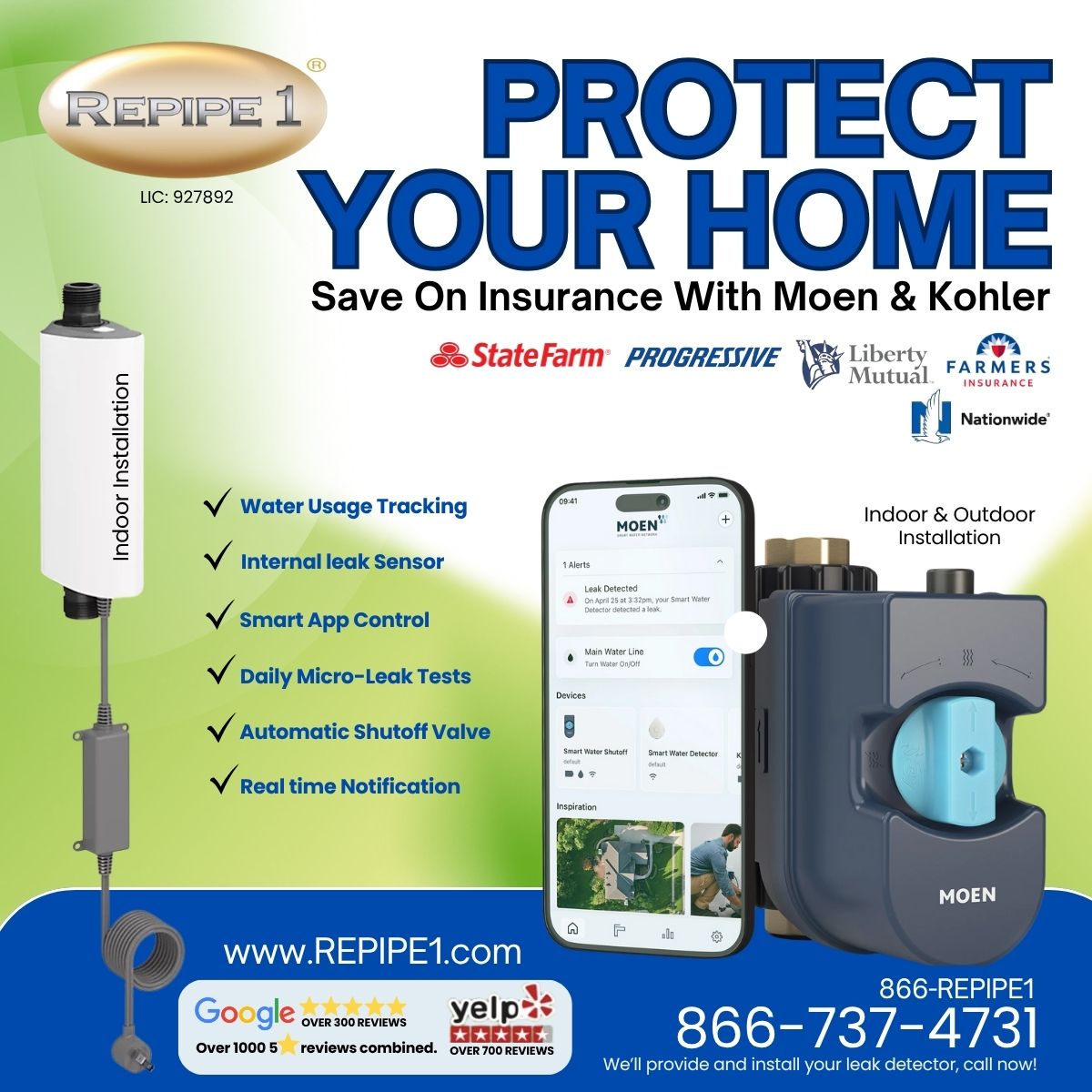
We believe in proactive home protection. By integrating industry-leading technology from Moen and Kohler, we provide homeowners with full control over their water usage and security. With over 1,000 5-star reviews on Google and Yelp.
Understanding how plumbing conditions affect insurance coverage can help homeowners avoid costly cancellations.
https://www.farmers.com/leak-detection/
Old Pipes Are Suddenly an Insurance Red Flag
Homes built before the 1980s, frequently have galvanized pipes. These old steel pipes corrode from the inside out after decades of use. Deterioration occurs inside the pipes, visible warning signs may be minimal. Like a ticking time bomb, these pipes are at the end of their functional lifespan, making hidden leaks and sudden bursts a matter of “when,” not “if.” To an insurer, this isn't just a maintenance problem—it's a massive financial risk. Insurance companies operate on data, and their data now shows that these aging pipes are a leading cause of expensive water damage claims. Faced with paying out millions, they are proactively trying to get ahead of the problem. These notices are a business decision based on risk, not a personal one to homeowners. Galvanized pipes aren't the only offender. A gray plastic tubing called polybutylene, common in homes built from the late 70's to mid 90's, is also notorious for becoming brittle and failing unexpectedly. An inspector spotting either of these materials can create a non-insurable plumbing condition, often leaving you to choose between updating the system or struggling to find coverage.
Leak Detection Devices as a Mitigation Measure
When an insurer suggests installing a “leak detector,” it’s crucial to know this can mean two very different devices. Choosing the right one is key to satisfying their requirements. A basic leak sensor is like a smoke detector for water. These small, battery-powered pucks are placed near water heaters or under sinks and sound an alarm when they sense moisture. While helpful, they only warn homeowners of a problem and can’t stop the flow of water if you aren't home. This is why insurers are far more interested in an automatic water shut-off valve. This system is installed by a licensed plumber on your main water line to monitor your whole house. When it detects a leak, it doesn’t just send an alert to your phone—it physically closes the valve, shutting off the water and stopping a disaster. An insurer-approved system can often satisfy renewal requirements, but it may not be enough for homes with severely degraded pipes.
3 Warning Signs a Leak Detector Might Not Be Enough
An automatic shut-off valve is a great defense, but it can’t fix pipes that are already failing. An insurer will look past the tech if they see signs of widespread corrosion. Watch for these three red flags that indicate your plumbing isn't just old—it's actively failing:
● A Drop in Water Pressure: If showers feel weaker or faucets take longer to fill a glass, it’s a classic sign that corrosion is clogging your pipes and restricting flow.
● Discolored Water: Brown or yellowish water, even for a moment when you first turn on a faucet, means your pipes are rusting away from the inside.
● A Sudden High-Water Bill: A sharp, unexplained jump in your bill often signals a hidden leak in a slab or wall.
Spotting any of these issues signals to an insurer that a major claim is inevitable. This is why they often bypass the leak detector option and move straight to a full house repipe mandate to eliminate the risk at its source.
Demystifying the "Big Fix": What a Full House Repipe Really Involves
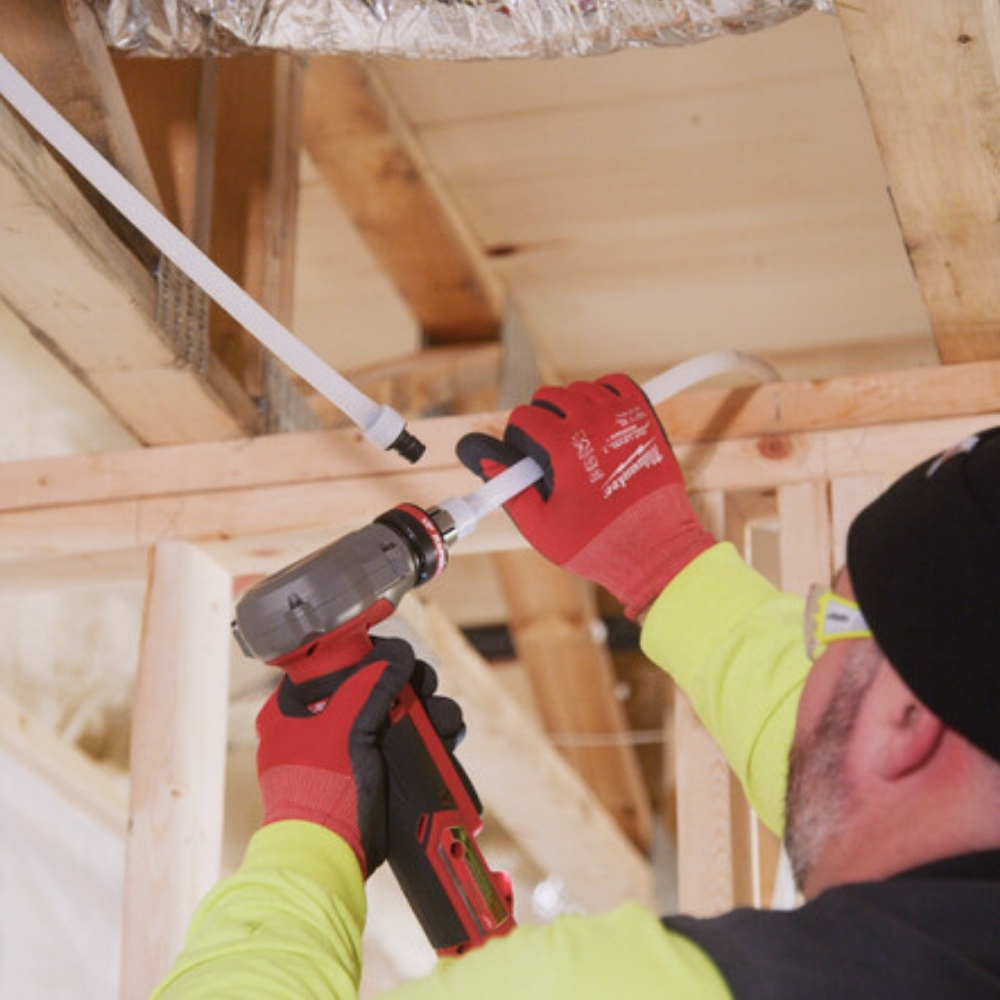
If the insurer mandates a "repipe" that doesn't mean total demolition. A full house repipe is a systematic replacement of the home’s old, failing hot and cold-water supply lines, leaving drain lines untouched. The modern standard for this is PEX, a flexible and durable polymer tubing that has largely replaced copper in most California repipes. Unlike rigid metal pipes, PEX is resistant to corrosion and mineral buildup, making it faster to install and more cost-effective. The process is more like surgery than demolition. Licensed repipe plumbers make small, precise cuts in the drywall to access and run the new PEX lines. They work methodically through the home, and while the water may be off for a few hours each day, it's usually restored by evening. This allows you to stay in your home during the 1–2 day process and provides the ultimate peace of mind by satisfying the most stringent insurance requirements.
When a home insurance company issues plumbing-related requirements, the following 5 actions are recommended:
1. Review your insurance letter for specific deadlines and requirements.
2. Walk through your home looking for the warning signs of failing pipes.
3. Get at least two quotes for an approved automatic water shut-off device.
4. If warning signs are present or your insurer
5. Communicate your plan and timeline proactively to your insurance agent.
Proactive evaluation and documentation can help preserve insurance coverage while reducing the risk of future water damage.
Daniel Zilberberg
Repipe1
+1 866-737-4731
email us here
Visit us on social media:
Instagram
Facebook
YouTube
TikTok
X
Other
Can My Homeowners Insurance Really Drop Me Because Of My Pipes?
Legal Disclaimer:
EIN Presswire provides this news content "as is" without warranty of any kind. We do not accept any responsibility or liability for the accuracy, content, images, videos, licenses, completeness, legality, or reliability of the information contained in this article. If you have any complaints or copyright issues related to this article, kindly contact the author above.
